

This article is sponsored by Cokesbury, the official resource provider of Vacation Bible School curriculum for The United Methodist Church.
Vacation Bible School (VBS) is one of the most powerful outreach tools a church can use. For many children, VBS is their first real encounter with faith, community, and belonging. For church leaders, it is an opportunity to engage families who may never otherwise walk through your doors. Whether your congregation is a small rural church with a handful of volunteers or a large suburban campus with hundreds of kids registered, a well-planned VBS can make a lasting impact.
This article walks through the key stages of VBS planning and execution, with practical tips to help your team feel confident from day one to closing celebration.
Why VBS still matters
In an era of packed schedules and digital distractions, VBS continues to thrive because it delivers something families genuinely cannot find anywhere else: a week of intentional, faith-centered community tailored specifically for children. The energy, creativity, and sense of belonging that VBS creates are hard to replicate.
Cokesbury, a trusted partner to United Methodist churches for generations, has seen firsthand how VBS transforms both children and the congregations that host them. Their annual VBS programs are designed with biblical depth, imaginative themes, and age-appropriate activities that keep kids engaged while reinforcing core faith values. Their resources are built to serve churches of all sizes and experience levels, making them a go-to starting point for many ministry teams.
Start early: Planning timelines that work
One of the most common VBS pitfalls is starting too late. Effective VBS planning typically begins three to six months in advance, depending on your church's size and available staff. Here is a general framework to work from:
- Six months out - Choose your VBS theme and curriculum. Cokesbury releases their annual VBS programs well in advance, giving churches time to preview samples, read theme descriptions, and make an informed decision.
- Four to five months out - Recruit and confirm your volunteer team. Identify coordinators for each major area: registration, decorations, music, snacks, crafts, and small group leaders.
- Three months out - Open registration for participants. Use your church's social media platforms, email newsletter, and website to promote early. Cokesbury offers a free registration page along with registration tools!
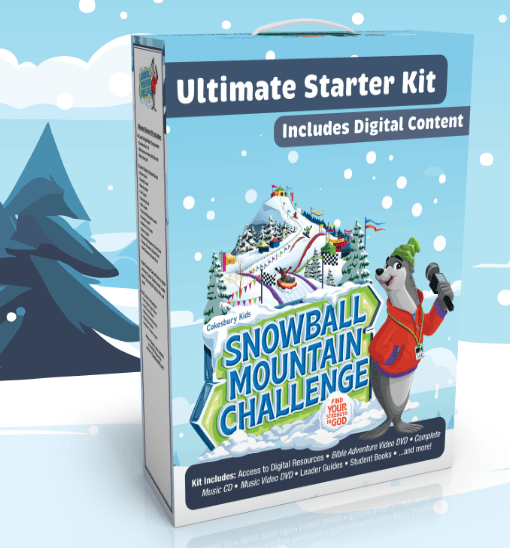
- Six to eight weeks out - Order curriculum kits, decorations, and supplies. Cokesbury offers starter kits, add-on packs, and a la carte supplies, so you can order what your congregation actually needs without overspending.
- Two to four weeks out - Host a volunteer training session. Walk your team through the daily schedule, safety protocols, and their individual roles.
- One week out - Confirm final headcounts, complete decorating, and run a walkthrough of your space.
🚨 If your church hasn’t been able to get ahead and finds itself in a last-minute rush, download our companion “Last minute VBS guide” by clicking here.
Choosing the right curriculum
Your curriculum sets the tone for everything. A strong VBS curriculum should be theologically grounded, visually engaging, and flexible enough to work in a variety of settings. It should also include complete leader guides, reproducible materials, and media resources so your volunteers feel supported rather than scrambling. Ideally, it should include inclusive resources as well.
Cokesbury's VBS curriculum is consistently one of the most widely used in United Methodist churches because it checks all of those boxes. Each theme comes with a Bible Point that runs through every activity, reinforcing the week's central message in age-appropriate ways. Their materials are also designed with margin built in, meaning a volunteer with zero prior VBS experience can pick up a leader guide and feel ready to lead.
When evaluating curriculum options, ask these questions:
- Does the theme connect with children at the ages you are serving?
- Are the daily Bible lessons clear and scripturally accurate?
- Is there flexibility for small churches that may combine age groups?
- Does the curriculum include outreach or mission components?
- Are digital and streaming resources included, or available as add-ons?
Volunteer recruitment and retention
Volunteers are the engine of every VBS. Without a committed team, even the best curriculum cannot reach its potential. Here are some practical strategies to build and sustain your team:
- Make the ask personal. A one-on-one conversation is far more effective than a bulletin announcement. Identify people whose gifts match specific roles and approach them directly.
- Define the commitment clearly. Volunteers are more likely to say yes when they know exactly what is expected. Be upfront about the days, hours, and responsibilities involved.
- Celebrate your team publicly. Thank volunteers from the pulpit, in the newsletter, and on social media. Recognition reinforces a culture of service.
- Create easy on-ramps for new volunteers. First-time helpers often feel more comfortable assisting experienced leaders before taking on a role of their own. Pair new volunteers with veterans.
- Follow up after VBS ends. A simple thank-you note or small token of appreciation goes a long way toward bringing volunteers back next year.
Marketing and community outreach
VBS is one of your church's best outreach opportunities of the year, but families have to know it exists. Plan your marketing strategy at least six to eight weeks before your first day. For the items below, utilize Cokesbury's free resources like social media graphics and invite cards that can be printed.
Social media is your most powerful free tool. Create a series of posts that build anticipation - reveal the theme, introduce your volunteer team, share registration details, and count down to opening day. Short video clips and behind-the-scenes content tend to perform especially well. If your church is active on Facebook, Instagram, or even TikTok, use those channels consistently in the weeks leading up to VBS.
Beyond social media, consider these outreach tactics:
- Distribute flyers at local schools, libraries, daycares, and community centers.
- Partner with local businesses to display signage or offer small sponsorships in exchange for promotional mentions.
- Ask current families to personally invite neighbors, coworkers, and friends.
- Send a targeted email sequence to your congregation and any community contacts in your database.
- Post in local community Facebook groups and neighborhood apps where your target families are already active.
Cokesbury provides customizable promotional materials with many of their VBS kits, including flyers, banners, and social media graphics that can be personalized with your church's name, dates, and contact information. Taking advantage of these resources saves your team significant time and keeps your branding consistent.
Registration and safety essentials
A smooth registration process sets the tone for a smooth VBS week. Use a digital registration form – Cokesbury provides access to one for free - to collect participant information efficiently. Make sure your form captures:
- Child's full name, age, and grade
- Parent or guardian contact information
- Allergy and medical information
- Permission for photography
- Emergency pickup authorization
Safety should never be an afterthought. Establish a clear check-in and check-out process, ensure that no child is ever alone with a single adult, and make sure all volunteers have completed safe-church training as required by your annual conference. If your church is part of The United Methodist Church, information on training can be found through your conference.
Making the most of VBS week
Once the week arrives, your job shifts from planner to encourager. Walk the space, check in with your volunteer leads, and troubleshoot as needed.
A few things to keep front of mind during VBS week:
- Start and end on time every day. Families with multiple children and busy schedules appreciate predictability.
- Take photos and short video clips each day for use in recaps and future promotions. Always ensure you have photo permissions before posting images of children.
- Build in a daily debrief with your core team. A five-minute check-in at the end of each day lets you address small problems before they become bigger ones.
- Create a closing celebration that families can attend. Inviting parents to see what their children learned increases connection between the church and the household.
- Collect feedback from volunteers and families. A short survey after VBS gives you data to improve next year.
In the next article of our VBS series, we'll give you useful tips for "post-VBS" and give ideas for keeping the momentum going.
If you missed Part 1: How to promote Vacation Bible School on a small budget, read it here.
With over 20 years of experience across various media outlets, Renee McNeill has guided brands in crafting and executing effective strategies for both internal marketing and public-facing campaigns. As a specialist in social media and e-marketing, Renee is passionate about empowering churches worldwide to enhance their communications and marketing efforts.Renee is the producer of the MyCom brand, and can be reached at [email protected].
This article was creating with assistance from AI - to learn more about how AI can assist your church, click here.